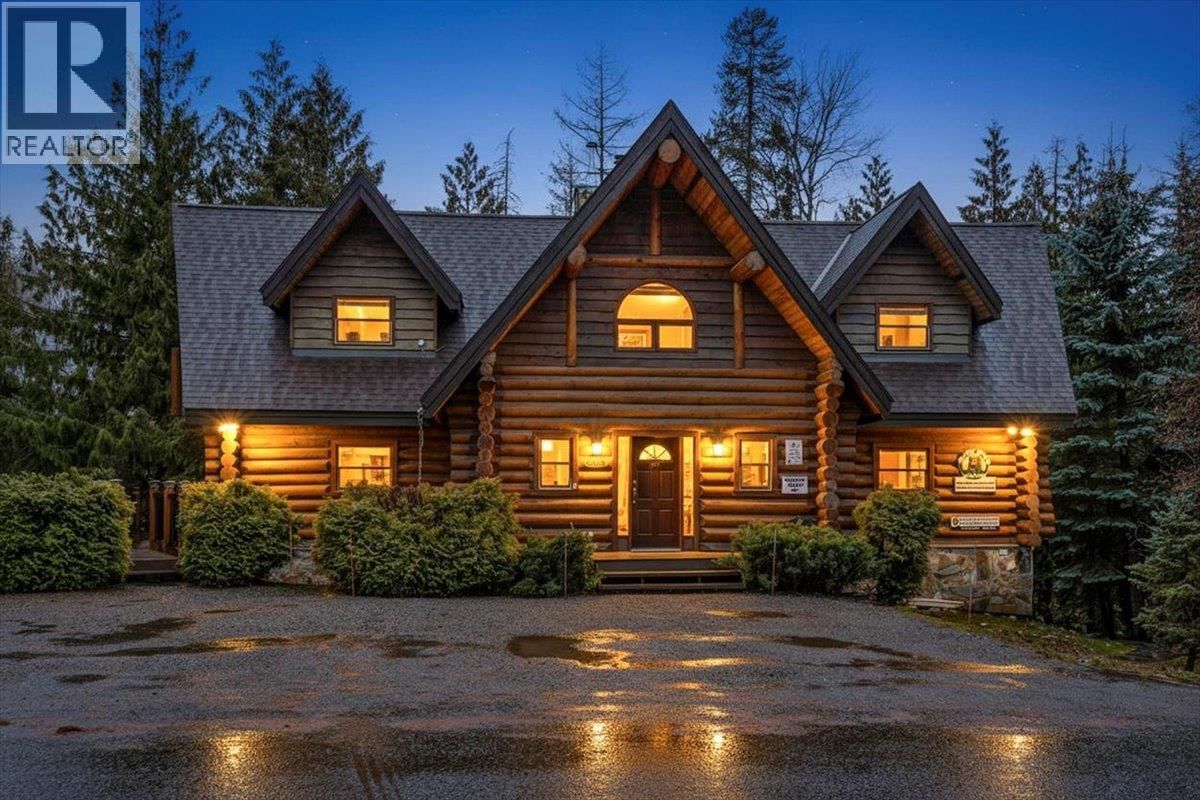
Fernie Alpine Resort sits about five minutes above town and operates as its own real estate micro-market. Properties here are ski-in/ski-out or close enough that it rarely matters — chalets, slope-side condos, and townhouses built specifically for mountain access. The median price sits around $1.45 million, which reflects what buyers are actually paying for: guaranteed ski access, rental income potential, and a property that doubles as a vacation asset. This is not a neighbourhood where people are raising kids and walking to school. It functions more like a destination holding, with owners using it seasonally and renting it the rest of the year through short-term platforms or property management companies.
The mix leans toward condos and townhouses, which suits the ownership model — lower maintenance, lock-and-leave convenience, and predictable strata fees in exchange for equity upside that tracks ski town demand rather than local wages. Single-family chalets exist at the upper end and attract buyers who want privacy and space alongside the ski access. The resort itself has expanded its summer programming significantly, with lift-accessed mountain biking drawing a second season of use that supports year-round rental demand in a way that pure ski resorts cannot.
The buyer at Fernie Alpine Resort is typically not a first-time purchaser or a primary resident — this market draws people who already own somewhere else and are acquiring a recreational asset with income-generating capacity. Lower Mainland buyers, Alberta professionals, and remote workers who can justify the lifestyle are the dominant profiles. The owner-occupancy rate of 67 percent is somewhat misleading here; many of those owners occupy seasonally rather than full-time, and the line between owner-occupier and part-time investor is blurry at the resort level.
From an investment standpoint, Fernie Alpine Resort properties benefit from a supply constraint that most ski destinations share: there is a finite amount of ski-adjacent land, and new development at the base area is limited. Short-term rental demand is strong across both winter and summer seasons, with the resort's bike park and lift operations extending the revenue window well beyond what a single-season mountain could support. Gross rental yields vary considerably by unit type and management approach, but the dual-season model meaningfully improves the math compared to comparable properties at single-season resorts.
The long-term outlook tracks a few converging trends. Remote work has structurally increased demand for recreational properties that function as a primary or secondary base rather than a pure vacation asset. Fernie as a town has invested in infrastructure and services that make year-round living practical, which adds a floor under resort-area values that pure destination markets lack. The Elk Valley's relative affordability compared to Whistler or Revelstoke continues to attract buyers who are being priced out of higher-profile BC mountain markets.
Risk factors are real: strata governance, short-term rental bylaw changes at the provincial or municipal level, and the carrying costs of mountain properties deserve due diligence. But for buyers who understand the asset class, Fernie Alpine Resort offers a more accessible entry point into ski-country real estate than most comparable BC alternatives.
Median pricing sits at $850k across current listings. Within 2km you'll find 1 school 4 parks. Inventory and pricing can shift quickly | check back regularly for new listings.